
Manitoulin Island
Powwows 2026
-
Aundeck Omni Kaning First Nation
June 6 & 7
-
M'Chigeeng First Nation
September 5 & 6
-
Sheguiandah First Nation
July 4 & 5
-
Sheshegwaning First Nation
September 12 & 13
Naandwedzyaang — We are healing ourselves as a community.
Sheshegwaning Jiingtamok
-
Wiikwemkoong Unceded Territory
Traditional:
June 20 & 21
Wiikwemkoon Cultural Festival:
July 31, August 1-3 -
Whitefish River First Nation
September 19 & 20
-
Zhiibaahaasing First Nation
August 22-23, 2026
Everyone is welcome to join us as we celebrate our proud and growing First Nation.
Interested in being a vendor? There are no vendor fees. Contact us to inquire about a spot.
For more information or vendor inquiries, please contact Bobbisue Kells-Riberdy, bobbisue@zhiibaahaasing.org, (705) 283-3963
POWWOW 101:
A Comprehensive Guide to Cultural Respect and Celebration
by Zane Buchanan
SO, WHAT IS A POWWOW?
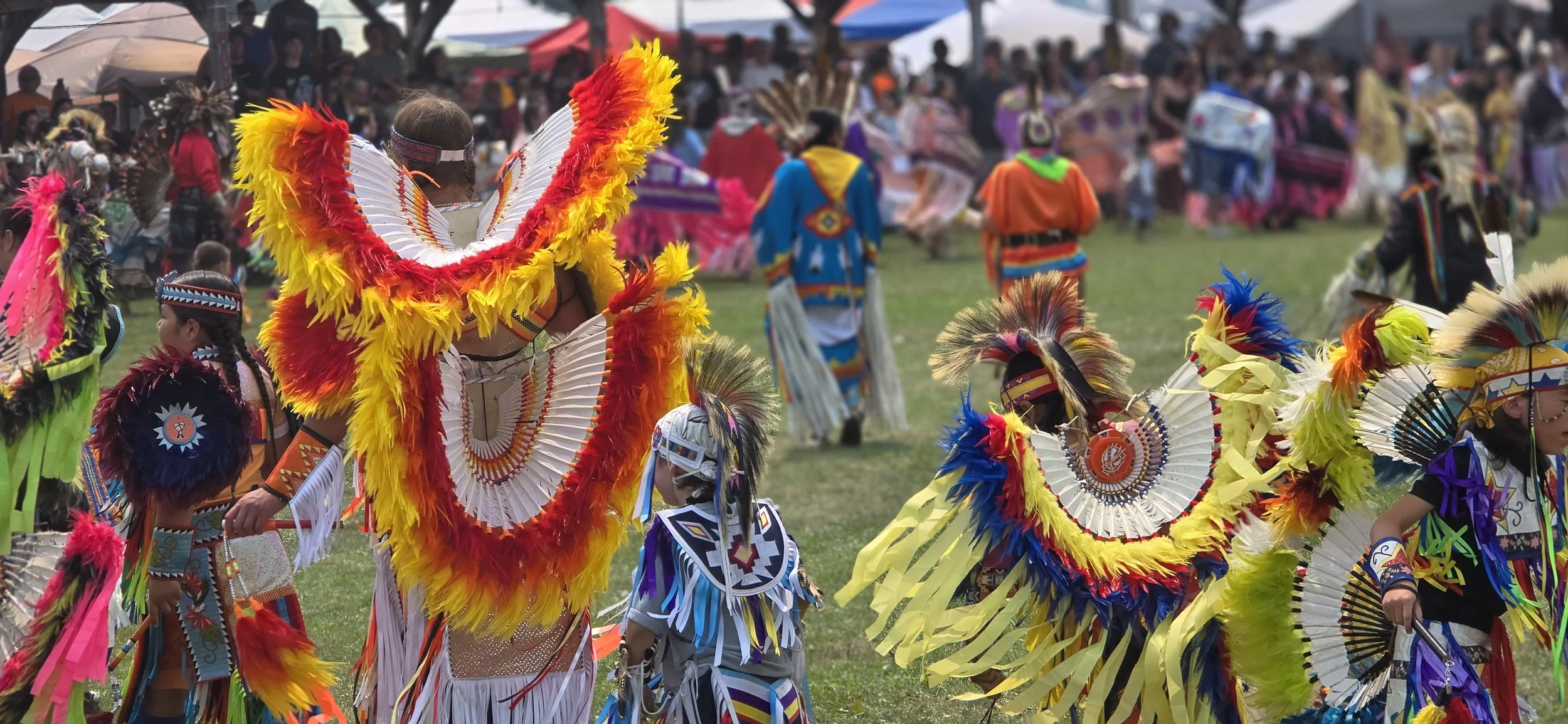
A powwow is a vibrant cultural gathering deeply rooted in the traditions of various Indigenous communities across North America. It serves as a celebration of Indigenous heritage, spirituality and unity, bringing together people from diverse backgrounds to honor their ancestors and connect with their cultural identity. Powwows vary in style and purpose depending on the region and community. The most common types include traditional powwows, which focus on preserving and showcasing traditional dances, regalia and customs; competitive powwows, where dancers compete in various categories for prizes and recognition; and social powwows, which emphasize community bonding, sharing and healing through music, dance and storytelling.
KEY TERMS
Regalia
“Regalia” refers to the traditional clothing, accessories and adornments worn by participants in ceremonies, celebrations or cultural events. In the context of powwows, regalia often includes items such as elaborate beadwork, feathers, leatherwork, jewelry and headdresses. Each piece of regalia is typically handcrafted and holds deep cultural and spiritual significance for the wearer and their community. Regalia is not only worn for aesthetic purposes but also serves as a representation of Indigenous identity, heritage and pride.
Grand Entry
Powwows traditionally begin with The Grand Entry, it is the ceremonial commencement of a powwow. Where participants, including dancers, drum groups, veterans, elders and dignitaries enter the central dance arena or arbor in procession. Traditionally led by flag bearers carrying flags representing Indigenous nations and sometimes nations like the United States or Canada. The procession is set to the rhythmic beat of a traditional Grand Entry song played by the drum groups. The Grand Entry symbolizes the gathering of Indigenous Peoples and marks the official start of the powwow festivities, embodying unity, pride and cultural reverence.
DANCE STYLES
Traditionally, powwow programs are meticulously organized by styles of dance, each representing a distinct aspect of Indigenous culture and heritage. Each dance style is commonly further categorized by age groups.
Common dance styles include:
Men’s Traditional Dance: This dance reflects the movements of warriors or hunters, often characterized by deliberate, grounded steps. Dancers typically wear traditional regalia adorned with feathers, beadwork and animal motifs.
Women’s Traditional Dance: Similar to the Men’s Traditional Dance, but with softer, more graceful movements. Women often wear traditional dresses or skirts adorned with intricate beadwork and other embellishments.
Fancy Dance (Men’s and Women’s): A high-energy, acrobatic dance characterized by fast footwork, spins and jumps. Fancy dancers wear vibrant, elaborate regalia adorned with fringe, sequins and bright colours.
Grass Dance: Originating from the Northern Plains tribes, this dance mimics the movement of grass swaying in the wind. Dancers wear regalia adorned with long, swaying fringe to emphasize the motion of the dance.
Jingle Dance: A healing dance originating from the Ojibwe (Chippewa) and other Great Lakes tribes. Dancers wear dresses adorned with metal cones that create a jingling sound as they move, symbolizing the sound of rain bringing healing to the community.
Round Dance: A social dance that involves participants holding hands and moving in a circular formation. It is often performed to honour special occasions or to bring people together in celebration and unity.
ETIQUETTE ESSENTIALS
Check the Door Policy
While most powwow celebrations welcome the public with open arms, it’s wise to confirm beforehand. Occasionally, some gatherings are private, reserved exclusively for members of the hosting nation or community. These events might not be publicly advertised, so a quick check can save you from any surprises.
Reserved Seating for Dancers and Elders
Be mindful of seating arrangements in the arena, where benches are reserved for dancers and honoured guests such as elders. Dancers and dignitaries usually mark their spots with blankets, so avoid sitting on unclaimed blankets and respect designated seating areas. You could also come prepared with your own lawn-chair, as seating for the public may be limited. Remember, benches in the arena are reserved for dancers only.
Listen to the Master of Ceremonies
The Master of Ceremonies plays a crucial role in guiding attendees through the event. Pay close attention to their announcements to stay informed about dance schedules and other important details. They will also often let audience members know when it is or isn’t appropriate to photograph the festivities.
Respect the Lead Dancers
Honour the Head Man and Head Woman Dancers, who hold the privilege of starting each song or set of songs. Wait for their cue before joining in, acknowledging their pivotal role in the proceedings.
Maintain a Sober Environment
Powwows are spiritual gatherings, not social events. Alcohol, drugs and firearms are strictly prohibited on the premises, preserving the sacred atmosphere of the occasion.
Seek Permission for Photography
Exercise courtesy by seeking permission before capturing photographs, especially of dancers. Be mindful of sensitive moments, such as ceremonies and prayers, which should not be photographed without consent. As previously mentioned, the Master of Ceremonies will often address when photography is prohibited.
Respect the Significance of Regalia
A dancer’s regalia holds profound spiritual significance and is not to be treated as a costume. Always ask before touching or photographing regalia, respecting its cultural and personal significance.
Curiosity is Encouraged
Don’t hesitate to ask questions if you’re new to powwows. Members of the community are usually eager to share their knowledge and help you understand the significance of the events.
—————————————